How Builders Can Compare Insurance for Custom Home Projects
Custom home construction involves many moving parts, from planning and materials to subcontractors, equipment, and changing job-site conditions. Builders may also have responsibilities that continue throughout the project, making insurance an important consideration before construction begins. Comparing coverage should involve more than simply looking at policy limits or premiums. Understanding the project's scope, contractual obligations, property exposure, equipment, and workforce can help builders make more informed decisions.
Reviewing Custom Home Builder Insurance
Custom home builders can manage projects that involve significant property values and numerous construction activities. They may coordinate subcontractors, purchase materials, supervise workers, and work directly with homeowners throughout the building process.
Custom home builder insurance should reflect the actual operations of the business and the types of projects it accepts. General liability is often considered because it may address certain third-party bodily injury or property damage claims, depending on the policy terms and circumstances.
Builders should also explain whether they primarily construct new homes, manage renovations, or perform specialized projects. Different activities can create different exposures, so an insurance review should be based on actual operations rather than assumptions.
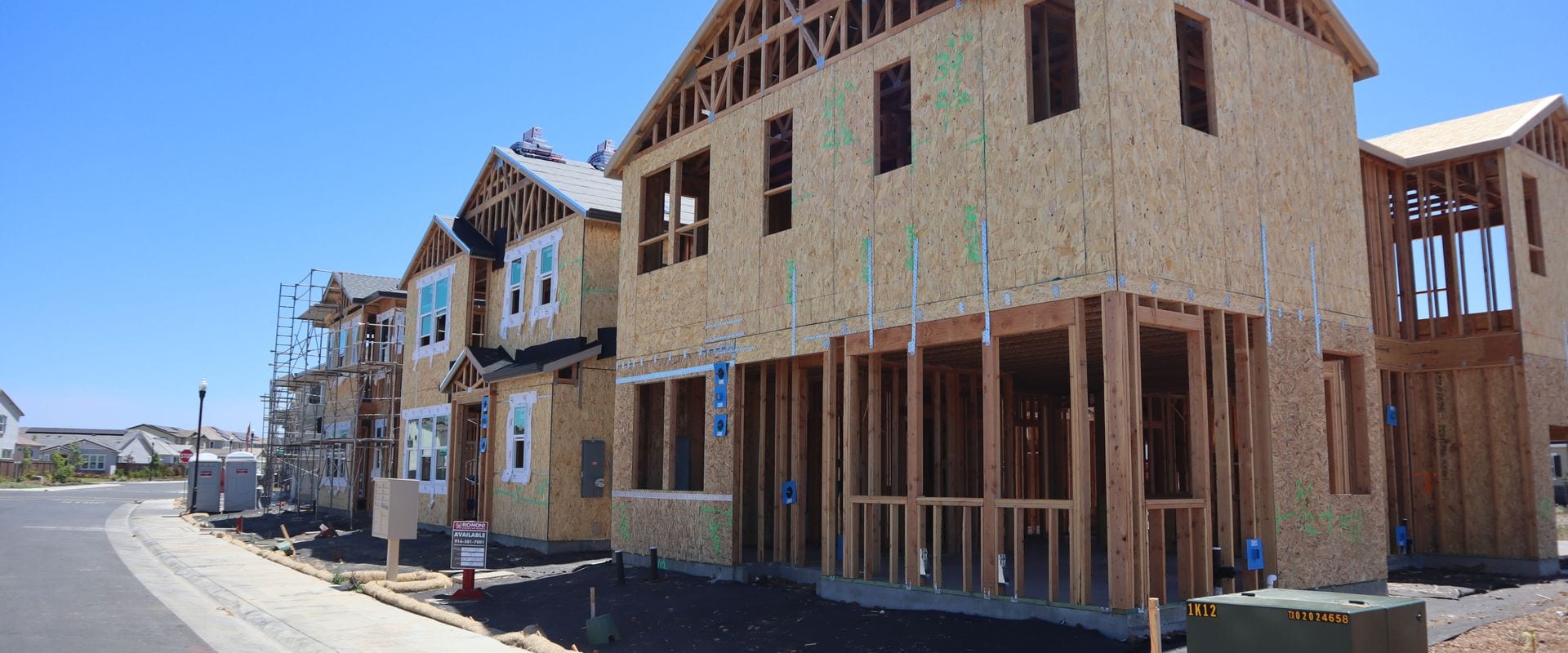
Understanding Framing Contractor Insurance
Framing contractors are responsible for an important stage of many construction projects. Their work can involve structural framing, roof framing, wall systems, materials, power tools, ladders, and active construction environments.
Framing contractor insurance can be evaluated according to the contractor's specific responsibilities and the projects being completed. Contractors should consider how their work affects customer property, other trades, employees, and subcontractors.
The contractual relationship also matters. A framing contractor working directly for a homeowner may have different obligations from one hired by a general contractor. Reviewing project agreements before work begins can help clarify insurance requirements and responsibilities.
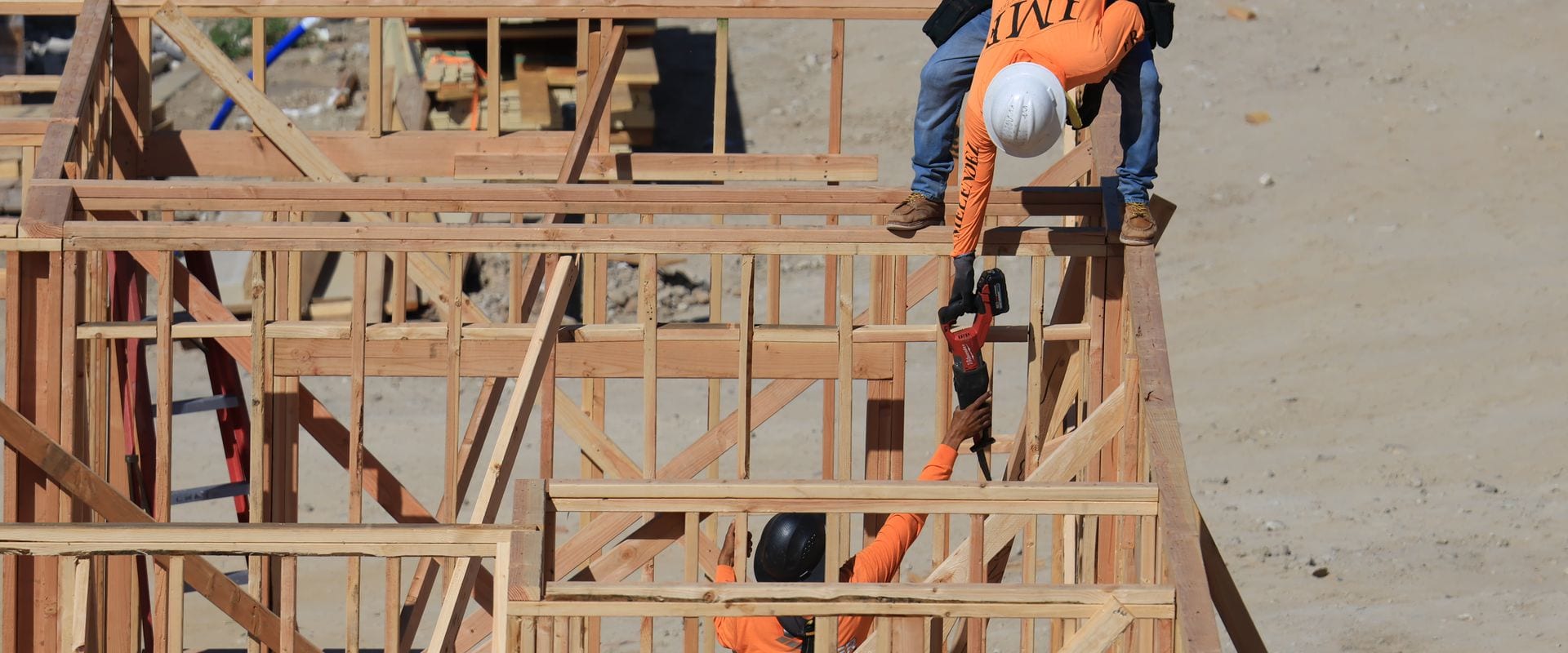
Comparing Liability Coverage
Liability coverage deserves careful attention when comparing insurance options. Construction projects can involve third-party visitors, neighboring property, subcontractors, suppliers, and other businesses operating at the same location.
General liability may provide protection for certain covered claims involving bodily injury or property damage. However, coverage depends on the policy's specific terms, exclusions, conditions, and limits.
Builders should avoid comparing policies based solely on the headline price. Understanding what each policy covers and how its limits apply can provide a more meaningful basis for comparison.
Considering Construction Equipment
Custom home projects can require tools, machinery, vehicles, trailers, and other equipment. Builders may own some of these assets while leasing or renting others.
The value and use of equipment can influence insurance considerations. Contractors should maintain accurate records of important business property and discuss how equipment is transported, stored, and used at different locations.
Business vehicles deserve similar attention. Trucks and other vehicles may carry materials, tools, workers, and equipment between suppliers, offices, and construction sites. Their commercial use should be accurately represented during an insurance review.
Reviewing Subcontractor Requirements
Custom home builders frequently coordinate several specialized trades. Plumbing, electrical, HVAC, roofing, painting, flooring, and other contractors may work on the same project.
Builders should understand the insurance requirements they place on subcontractors. Contracts may require certificates of insurance, specific liability limits, or additional insured status.
Maintaining current documentation can help builders manage these requirements throughout the project. It can also make it easier to identify whether subcontractor arrangements have changed since the original agreement was created.
Looking at Project-Specific Factors
Every custom home project can have different characteristics. Location, construction value, project duration, materials, subcontractor involvement, and site conditions may all influence the insurance considerations involved.
Builders should review these details before accepting major projects. A policy that worked for smaller residential jobs may require reconsideration when the business begins managing larger or more complex construction work.
Regular reviews can also help when a company expands its services or begins working with new types of customers.
Conclusion
Comparing insurance for custom home projects requires attention to more than premiums and policy limits. Builders should consider their operations, liability exposure, equipment, vehicles, subcontractors, contracts, and project-specific circumstances. Framing contractors should similarly evaluate coverage according to the work they perform and their contractual responsibilities. CoveredByUs.com can help construction businesses explore insurance options and review coverage based on their individual project needs.


Comments
Post a Comment