What Can Affect Insurance Needs for Concrete and Masonry Contractors?
Concrete and masonry contractors handle demanding construction work involving heavy materials, specialized tools, equipment, vehicles, employees, and customer property. Their insurance needs can vary considerably depending on the projects they accept and the services they provide. A contractor working on a small residential project may face different considerations from one completing large commercial construction. Understanding these differences can help business owners review coverage more thoughtfully and keep their insurance aligned with their actual operations.
Evaluating Concrete Contractor Insurance
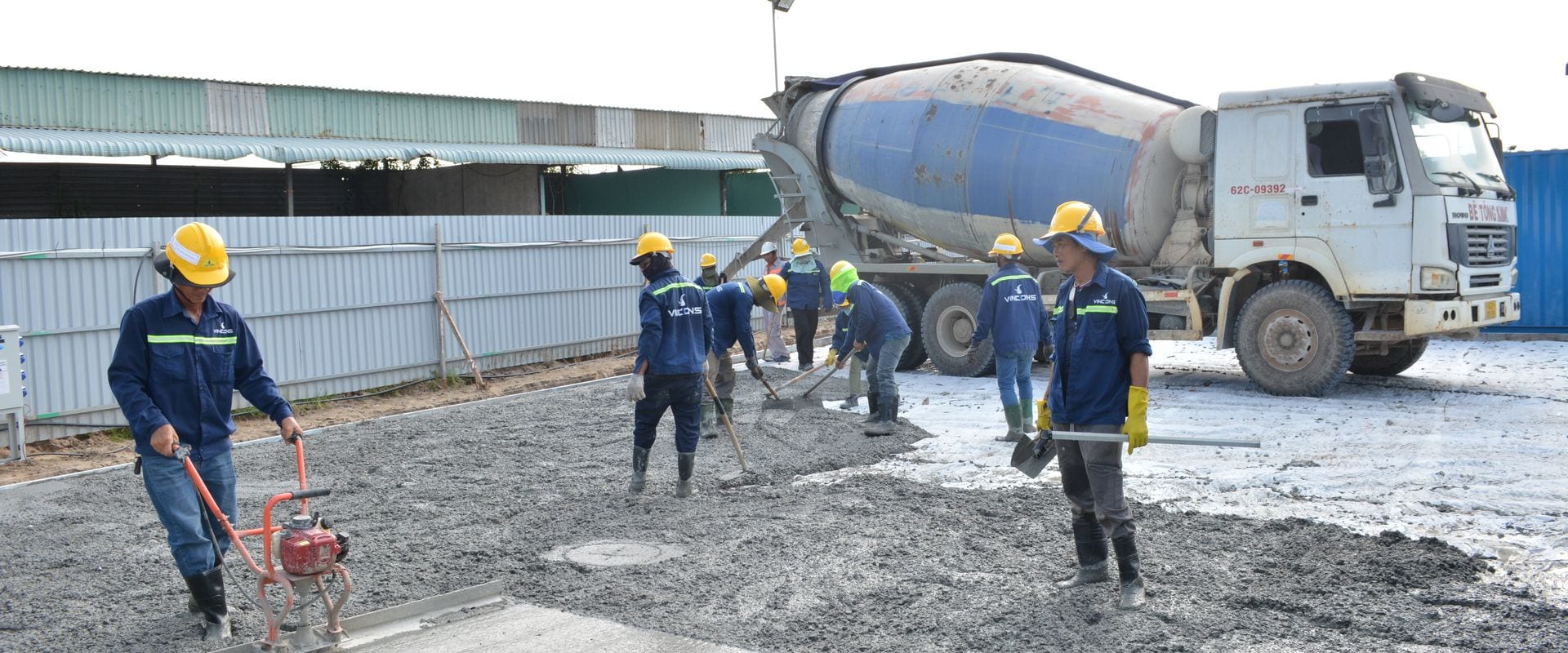
Concrete contractors may work on foundations, driveways, sidewalks, slabs, retaining structures, and other construction projects. Their work often involves mixers, pumps, saws, trucks, and other equipment that can create different business exposures.
Concrete contractor insurance should be evaluated according to the contractor's specific services and working environment. General liability is commonly considered because it may address certain third-party bodily injury or property damage claims, depending on the policy terms, conditions, and exclusions.
Project size can also affect insurance considerations. A contractor focused on residential flatwork may have different needs from a company handling structural concrete on major commercial developments. Business owners should provide accurate information about their work when reviewing available coverage.
Understanding Masonry Contractor Insurance
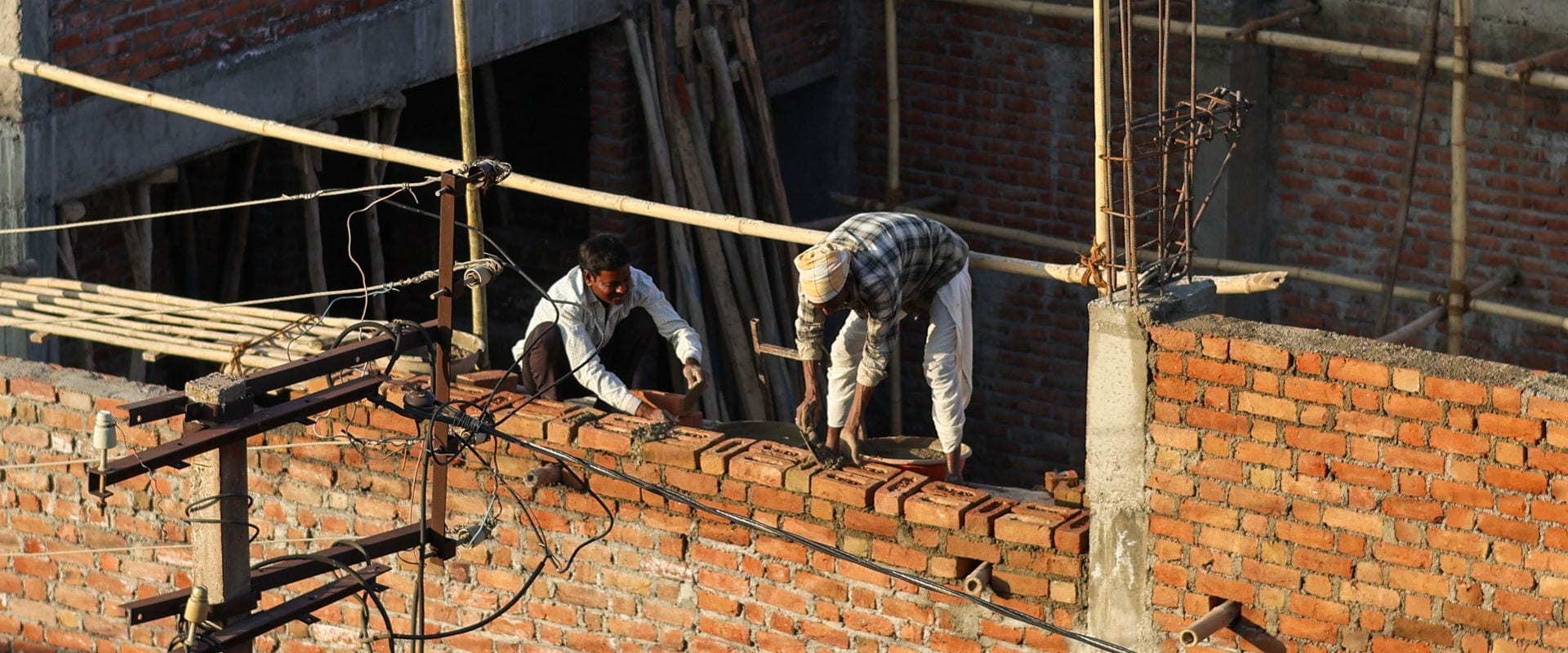
Masonry contractors may install or repair brick, stone, concrete blocks, fireplaces, walls, facades, and other structures. Their work can involve heavy materials, specialized equipment, elevated work areas, and customer properties.
Masonry contractor insurance can be reviewed around the specific services and projects a business handles. Contractors working directly with property owners may have different contractual responsibilities from those operating as subcontractors for construction companies.
Existing buildings can also create additional considerations because masonry work may take place around completed structures, landscaping, fixtures, or other valuable property. Discussing these circumstances during an insurance review can help identify relevant coverage questions.
Considering Job Site Responsibilities
Concrete and masonry projects often involve several trades working within the same construction area. General contractors, subcontractors, suppliers, and property owners may all have responsibilities connected to the project.
Contracts can include requirements for liability limits, certificates of insurance, or additional insured arrangements. Contractors should review these requirements before accepting work so they can understand what their agreements expect.
Clear communication is particularly useful when projects involve unusual conditions, larger budgets, or multiple subcontractors. An insurance professional can help contractors understand how contractual requirements relate to their existing policies.
Protecting Equipment and Business Vehicles
Equipment can represent a significant investment for concrete and masonry businesses. Trucks, mixers, pumps, saws, trailers, tools, and other machinery may be necessary for completing scheduled projects.
Contractors should understand how their equipment and business property are treated under their policies. Coverage considerations can differ depending on whether equipment is owned, leased, stored at a business location, or transported to various job sites.
Vehicles also deserve attention because contractors may use trucks and trailers to transport employees, materials, tools, and machinery. Reviewing actual business use can help determine whether existing vehicle coverage remains appropriate.
Reviewing Employees and Subcontractors
Businesses with employees should consider applicable workers' compensation requirements and understand how workplace risks fit into their broader insurance planning. Construction work can involve physically demanding activities, heavy materials, machinery, and changing job-site conditions.
Subcontractor relationships also deserve careful review. Project owners and general contractors may require subcontractors to maintain specific coverage before beginning work. Keeping insurance documentation current can make these requirements easier to manage.
Adapting Coverage as Work Changes
Insurance considerations can change when a contractor hires employees, purchases equipment, expands services, accepts larger projects, or enters new markets. Regular reviews can help business owners account for these changes before they create unexpected questions about coverage.
Rather than choosing insurance based on another contractor's policy, businesses should evaluate their own services, contracts, property, equipment, and workforce. This approach can provide a more useful foundation for discussing available coverage options.
Conclusion
Concrete and masonry contractors should evaluate insurance around the work they actually perform, including their projects, equipment, vehicles, employees, subcontractors, and contractual responsibilities. Regular reviews can help ensure that important business changes are considered as operations develop. Taking time to understand these factors can make insurance decisions more informed and practical. CoveredByUs.com can help contractors explore insurance options and review coverage suited to their individual business needs.


Comments
Post a Comment