What Should Plumbers and HVAC Contractors Know About Business Insurance?
Plumbers and HVAC contractors work in homes, businesses, construction sites, and commercial properties where their services can affect valuable building systems. Their daily work may involve employees, tools, vehicles, equipment, materials, and customer property. These factors create insurance considerations that can vary from one business to another. Understanding the main areas of exposure can help contractors make more informed decisions when reviewing coverage for their specific operations and projects.
Reviewing Plumbing Contractor Insurance
Plumbing work can involve repairs, installations, remodeling projects, maintenance, and new construction. Contractors may work with water supply lines, drainage systems, fixtures, boilers, and other components where an installation mistake or accidental damage could affect a customer's property.
Plumbing contractor insurance can include coverage options designed around these business activities. General liability is commonly considered because it may help address certain third-party bodily injury or property damage claims, depending on the policy terms, conditions, and exclusions.
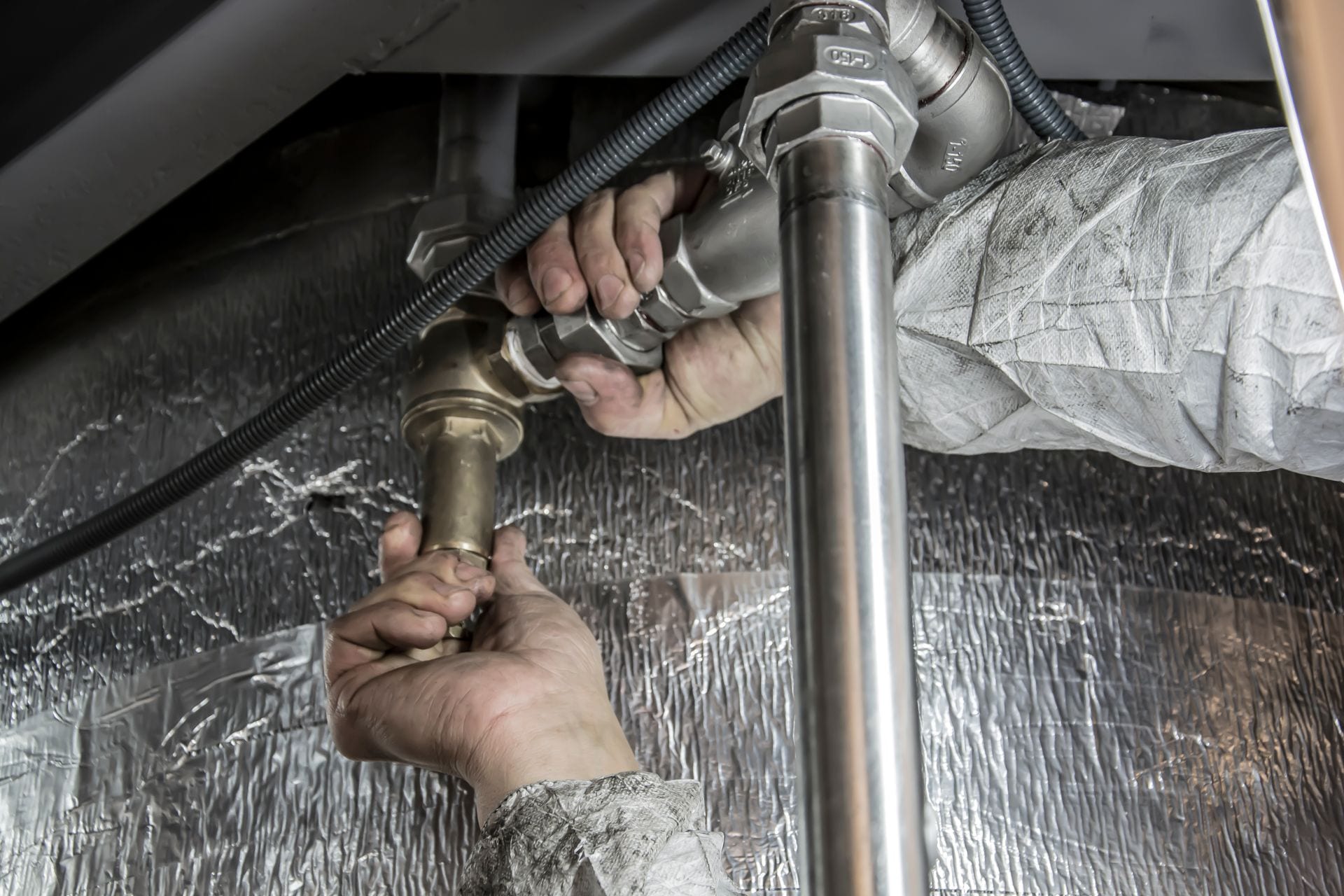
The type of plumbing work also matters when evaluating coverage. A contractor performing residential repairs may have different exposures from a company handling large commercial installations. Business owners should describe their actual services and project types when reviewing insurance rather than relying on a standard approach.
Understanding HVAC Contractor Insurance
HVAC businesses face their own operational considerations because technicians may install, repair, or maintain heating and cooling systems. Their work can involve rooftop units, ductwork, electrical components, refrigerants, specialized machinery, and mechanical systems.
HVAC contractor insurance should reflect the services and environments in which the company operates. Contractors may want to review liability alongside coverage for business property, tools, equipment, vehicles, and employees.

The location of the work can also influence the risk involved. Servicing an air conditioning unit inside a residence can present different circumstances from installing a large system in an office, warehouse, or industrial facility. Explaining these activities clearly can help an insurance professional assess relevant coverage options.
Considering Customer Property Risks
Both types of contractors regularly work on property belonging to customers. A technician may need access to walls, ceilings, floors, appliances, mechanical rooms, or other parts of a building.
Accidental damage can create financial responsibilities depending on the circumstances and applicable policy. Contractors should understand their coverage before beginning projects and remain aware of policy limitations or exclusions.
Written agreements can also be valuable for larger jobs. Contracts may define responsibilities between contractors, customers, general contractors, and subcontractors. Reviewing insurance requirements before accepting a project can help identify coverage questions early.
Reviewing Employees and Work Vehicles
Plumbing and HVAC companies often depend on employees who travel between multiple service locations. Their work may involve tools, ladders, machinery, construction areas, and other workplace hazards.
Businesses with employees should review applicable workers' compensation requirements and understand how employee-related risks fit into their broader insurance planning. Vehicle use deserves similar attention because service vans and trucks may transport workers, tools, replacement parts, and equipment throughout the day.
Contractors should discuss how their vehicles are used for business and determine whether their current coverage reflects that usage.
Reassessing Coverage as Businesses Grow
Insurance needs can change when contractors expand their services, hire employees, purchase equipment, accept larger projects, or begin working with new types of customers. A policy that suited a small operation may need to be reviewed as the business develops.
Regular insurance reviews give contractors an opportunity to discuss operational changes and contractual requirements. Keeping current records of vehicles, equipment, employees, services, and major projects can make these reviews more useful.
Conclusion
Plumbing and HVAC contractors have different specialized operations, but both should consider how liability, customer property, employees, vehicles, equipment, and contracts affect their insurance needs. Evaluating coverage around actual business activities can help contractors make more informed decisions as their companies change. CoveredByUs.com can help business owners explore insurance options and review coverage based on their individual operations.


Comments
Post a Comment